
Tuesday, April 14, 2026

News Destination For The Global Indian Community

News Destination For The Global Indian Community

COLUMN
LifeMag
From Likes to Leadership: Social Media Empowers Youth in Digital Democracy

From Likes to Leadership: Social Media Empowers Youth in Digital Democracy

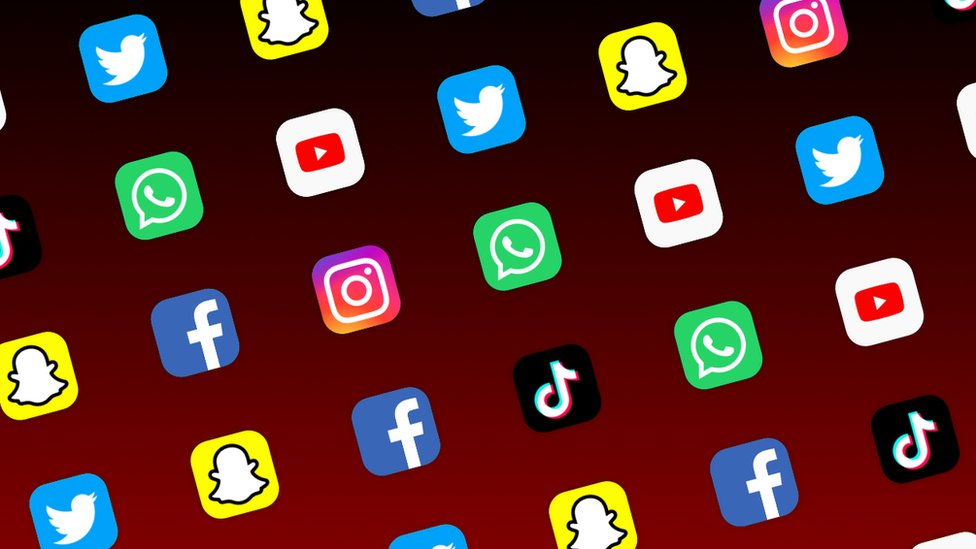
Not long ago, social media was mostly about sharing selfies, memes, and weekend plans. Today, it has become one of the most influential arenas for political discussion, community organizing, and social change especially among young people. From India to Bangladesh and beyond, a generation that grew up with smartphones is using these platforms not just to react, but to lead.

In India, where more than two-thirds of the population is under 35, young voices dominate the digital conversation. Platforms like Instagram, YouTube, and X have turned into primary sources of political news and debate for millions of 18- to 29-year-olds. Many spend hours daily scrolling through reels, live streams, and sharp political commentary. During recent elections, short videos and targeted campaigns on Instagram proved especially effective at reaching first-time voters. Similar trends appear worldwide: young people increasingly turn to social media and video content for political information, often preferring it over traditional news outlets.

When Online Anger Moves Offline

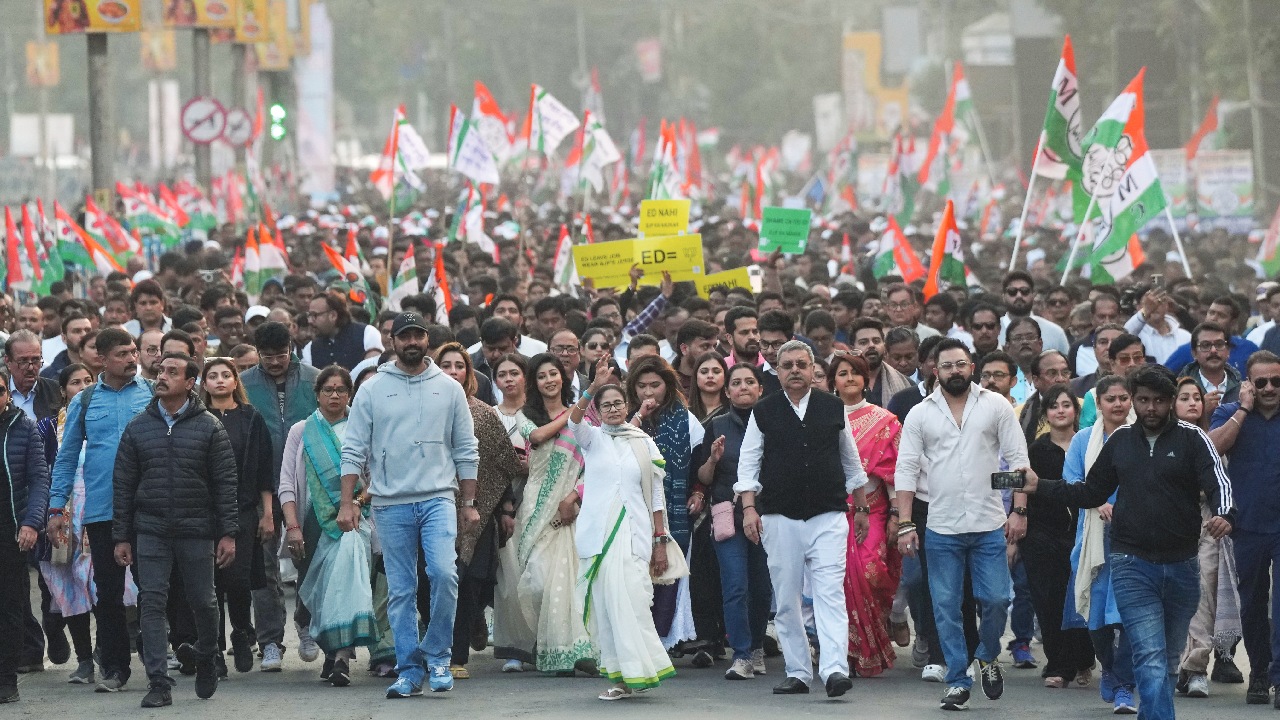
This digital energy has repeatedly spilled into the streets. In 2024, Bangladesh’s student-led protests, largely coordinated through Facebook, WhatsApp, and viral videos, grew from campus grievances into a nationwide movement that ultimately toppled the government. Students shared real-time footage of events, built solidarity across borders, and bypassed state-controlled media.

A year later, in Nepal, a sudden government ban on major social media platforms triggered massive Gen Z protests against corruption and censorship. What began as online outrage quickly escalated into widespread demonstrations, forcing political concessions and highlighting how quickly digital frustration can ignite real-world action.

Similar youth-driven waves have appeared in climate campaigns, anti-corruption drives, and justice movements across continents. Hashtags, live streams, and shareable videos allow ideas to spread faster than ever, enabling young organizers to rally support without traditional hierarchies or big budgets.

The Voting Gap

Yet there’s a striking disconnect. While young people are highly active online debating policies, sharing analysis, and amplifying causes many still hesitate to show up at polling stations. In the 2024 U.S. presidential election, roughly 47% of eligible voters aged 18–29 cast ballots, a figure that felt disappointing to many activists despite being higher than some past cycles. In India, youth registration has risen, but translating digital enthusiasm into consistent offline participation remains an ongoing challenge.

This gap raises an important question: Can “clicktivism” evolve into sustained civic power? Bridging that divide will likely require creative efforts—voter registration drives integrated with social campaigns, community organizing that starts online but ends in local action, and education that shows young people how their voices matter beyond the screen.

New Forms of Leadership

At the same time, social media is nurturing a different kind of leadership. Young influencers, student organizers, and content creators are shaping narratives through relatable videos and personal storytelling. They build communities where peers feel seen and heard, discuss complex issues, and motivate collective action. For many, these platforms offer an accessible entry point into politics that doesn’t require waiting for an invitation from established parties.

Visual content—quick explainers, emotional testimonials, or sharp memes often resonates more deeply with younger audiences than lengthy speeches or newspaper columns. The result is a more decentralized, creative style of civic engagement.

The Double-Edged Sword

Of course, these tools come with serious risks. Algorithms often push users into echo chambers, feeding them content that confirms existing beliefs and intensifying polarization. Misinformation spreads rapidly, and the pressure for virality can reward outrage over nuance. Young people, as heavy users of short-form video, are especially exposed to these dynamics.

Studies suggest that those who supplement social media with established news sources tend to develop stronger civic habits, including higher voting rates. This points to the urgent need for better media literacy teaching critical thinking, source verification, and the ability to spot manipulation amid the constant scroll.

Platform design plays a role, too. Business models built on maximizing engagement sometimes amplify divisive or false content. Addressing this will require cooperation among governments, educators, tech companies, and users themselves.

Looking Ahead

As artificial intelligence and more immersive formats enter the mix, social media’s influence on youth politics will only grow. The potential is enormous: more inclusive debates, faster mobilization, and stronger connections across borders. But realizing that potential depends on how we handle the downsides of misinformation, shallow engagement, and digital divides.

The path forward lies in combining the best of both worlds. Young people already excel at using digital tools to raise awareness and build momentum. The next step is helping them convert that energy into lasting influence at the ballot box, in community work, and in shaping policy.

Social media didn’t create youthful idealism or frustration with the status quo; it simply gave it a powerful megaphone. Whether that leads to deeper democratic renewal or heightened division will depend on the choices we make today about literacy, platform responsibility, and how we turn online voices into real-world change.

The journey from likes to genuine leadership is messy and far from complete. But for a generation that has never known a world without these platforms, it may well define the future of democracy.

By Ambikesh Pandey, PhD Candidate in Decision Sciences at IIM Udaipur,

Ambikesh is currently a PhD candidate in Decision Sciences at the Indian Institute of Management Udaipur, with a research focus on behavioural decision-making processes. As a scholar examining governance, digital participation, and the evolving role of social media in democracy, his work lies at the intersection of governance, information technology, and social media areas that align closely with both his academic interests and civic values. His academic journey is driven by a strong commitment to advancing global development through impactful, interdisciplinary research. Along with this, He is thinking of launching 'YouthPulse,' a platform focused on promoting civic sense and digital democracy among users.

And Rushali Kaul, Social Media Executive (The Bonus, Amar Ujala)

Rushali Kaul is a Social Media Executive at The Bonus, Amar Ujala (Noida, India) and a founding member of the digital initiative, where she play a key role in building and strengthening the brand’s online presence from the ground up. Her specialization in creating and executing data-driven social media strategies that enhance brand visibility, audience engagement, and content performance across major digital platforms.


From Likes to Leadership: Social Media Empowers Youth in Digital Democracy

From Likes to Leadership: Social Media Empowers Youth in Digital Democracy

Not long ago, social media was mostly about sharing selfies, memes, and weekend plans. Today, it has become one of the most influential arenas for political discussion, community organizing, and social change especially among young people. From India to Bangladesh and beyond, a generation that grew up with smartphones is using these platforms not just to react, but to lead.

In India, where more than two-thirds of the population is under 35, young voices dominate the digital conversation. Platforms like Instagram, YouTube, and X have turned into primary sources of political news and debate for millions of 18- to 29-year-olds. Many spend hours daily scrolling through reels, live streams, and sharp political commentary. During recent elections, short videos and targeted campaigns on Instagram proved especially effective at reaching first-time voters. Similar trends appear worldwide: young people increasingly turn to social media and video content for political information, often preferring it over traditional news outlets.

When Online Anger Moves Offline

This digital energy has repeatedly spilled into the streets. In 2024, Bangladesh’s student-led protests, largely coordinated through Facebook, WhatsApp, and viral videos, grew from campus grievances into a nationwide movement that ultimately toppled the government. Students shared real-time footage of events, built solidarity across borders, and bypassed state-controlled media.

A year later, in Nepal, a sudden government ban on major social media platforms triggered massive Gen Z protests against corruption and censorship. What began as online outrage quickly escalated into widespread demonstrations, forcing political concessions and highlighting how quickly digital frustration can ignite real-world action.

Similar youth-driven waves have appeared in climate campaigns, anti-corruption drives, and justice movements across continents. Hashtags, live streams, and shareable videos allow ideas to spread faster than ever, enabling young organizers to rally support without traditional hierarchies or big budgets.

The Voting Gap

Yet there’s a striking disconnect. While young people are highly active online debating policies, sharing analysis, and amplifying causes many still hesitate to show up at polling stations. In the 2024 U.S. presidential election, roughly 47% of eligible voters aged 18–29 cast ballots, a figure that felt disappointing to many activists despite being higher than some past cycles. In India, youth registration has risen, but translating digital enthusiasm into consistent offline participation remains an ongoing challenge.

This gap raises an important question: Can “clicktivism” evolve into sustained civic power? Bridging that divide will likely require creative efforts—voter registration drives integrated with social campaigns, community organizing that starts online but ends in local action, and education that shows young people how their voices matter beyond the screen.

New Forms of Leadership

At the same time, social media is nurturing a different kind of leadership. Young influencers, student organizers, and content creators are shaping narratives through relatable videos and personal storytelling. They build communities where peers feel seen and heard, discuss complex issues, and motivate collective action. For many, these platforms offer an accessible entry point into politics that doesn’t require waiting for an invitation from established parties.

Visual content—quick explainers, emotional testimonials, or sharp memes often resonates more deeply with younger audiences than lengthy speeches or newspaper columns. The result is a more decentralized, creative style of civic engagement.

The Double-Edged Sword

Of course, these tools come with serious risks. Algorithms often push users into echo chambers, feeding them content that confirms existing beliefs and intensifying polarization. Misinformation spreads rapidly, and the pressure for virality can reward outrage over nuance. Young people, as heavy users of short-form video, are especially exposed to these dynamics.

Studies suggest that those who supplement social media with established news sources tend to develop stronger civic habits, including higher voting rates. This points to the urgent need for better media literacy teaching critical thinking, source verification, and the ability to spot manipulation amid the constant scroll.

Platform design plays a role, too. Business models built on maximizing engagement sometimes amplify divisive or false content. Addressing this will require cooperation among governments, educators, tech companies, and users themselves.

Looking Ahead

As artificial intelligence and more immersive formats enter the mix, social media’s influence on youth politics will only grow. The potential is enormous: more inclusive debates, faster mobilization, and stronger connections across borders. But realizing that potential depends on how we handle the downsides of misinformation, shallow engagement, and digital divides.

The path forward lies in combining the best of both worlds. Young people already excel at using digital tools to raise awareness and build momentum. The next step is helping them convert that energy into lasting influence at the ballot box, in community work, and in shaping policy.

Social media didn’t create youthful idealism or frustration with the status quo; it simply gave it a powerful megaphone. Whether that leads to deeper democratic renewal or heightened division will depend on the choices we make today about literacy, platform responsibility, and how we turn online voices into real-world change.

The journey from likes to genuine leadership is messy and far from complete. But for a generation that has never known a world without these platforms, it may well define the future of democracy.

By Ambikesh Pandey, PhD Candidate in Decision Sciences at IIM Udaipur,

Ambikesh is currently a PhD candidate in Decision Sciences at the Indian Institute of Management Udaipur, with a research focus on behavioural decision-making processes. As a scholar examining governance, digital participation, and the evolving role of social media in democracy, his work lies at the intersection of governance, information technology, and social media areas that align closely with both his academic interests and civic values. His academic journey is driven by a strong commitment to advancing global development through impactful, interdisciplinary research. Along with this, He is thinking of launching 'YouthPulse,' a platform focused on promoting civic sense and digital democracy among users.

And Rushali Kaul, Social Media Executive (The Bonus, Amar Ujala)

Rushali Kaul is a Social Media Executive at The Bonus, Amar Ujala (Noida, India) and a founding member of the digital initiative, where she play a key role in building and strengthening the brand’s online presence from the ground up. Her specialization in creating and executing data-driven social media strategies that enhance brand visibility, audience engagement, and content performance across major digital platforms.


Leave a comment

Comments (0)

Opinion Express TV

Shapoorji Pallonji

SUNGROW

GOVNEXT INDIA FOUNDATION

CAMBIUM NETWORKS TECHNOLOGY

Opinion Express Magazine